 listicle
Office Space With Flexible Terms: 7 Top Picks for 2026
Table of Contents
- Why Flexible Office Space Beats a Traditional Lease
- The 7 Best Flexible Office Space Providers for 2026
- How to read this list
- 1. Kiwi Offices: Best for Private, Turnkey Suites
- 2. WeWork: Best for Month-to-Month Commitments
- 3. Servcorp: Best for Temporary Office Space
- 4. Office Evolution: Best for Hot Desk and Private Office Mix
- 5. Serendipity Labs: Best for Cost Comparison Tools
- 6. The Cannon: Best for Adaptable Layouts
- 7. Mindspace: Best for Coworking and Private Office Blend
- Short-Term Office Lease: What to Know Before You Sign
- Office Space Rental Costs: A Full Breakdown
- Coworking vs. Private Office: Which Fits Your Team?
- Furnished Office Space: What's Included and What to Ask
- How to Choose the Right Flexible Workspace
- Conclusion
- Frequently Asked Questions
Last Updated: October 21, 2026
Why Flexible Office Space Beats a Traditional Lease
Office space with flexible terms lets a business rent a private office, desk, or suite without a multi-year commercial lease. Terms can run month to month, by the week, or by the day, and the space usually comes furnished with utilities and services bundled in.
For small teams, the appeal is simple: a professional address and a real door that closes, without signing away three years of your balance sheet. Flexible terms flip that. U.S. Small Business Administration guidance on leasing commercial space lays out how much of the risk in a standard lease sits with the tenant.
At Kiwi Offices, we built our suites for exactly this buyer: the consultant, contractor, or small team that needs privacy and a turnkey setup, not a shared desk in a loud room.
The 7 Best Flexible Office Space Providers for 2026
Here is our ranked shortlist of providers offering office space with flexible terms, judged on contract flexibility, privacy, and move-in speed. We weighted private suites heavily because most small businesses outgrow a hot desk within a year.

| Provider | Best For | Term Style | Privacy Level |
|---|---|---|---|
| Kiwi Offices | Private, turnkey suites | Flexible, ask for terms | Fully private suite |
| WeWork | Month-to-month commitments | Month-to-month available | Shared and private |
| Servcorp | Temporary office space | Flexible payment terms | Private options |
| Office Evolution | Hot desk and private mix | Varies by location | Mixed |
| Serendipity Labs | Cost comparison tools | Varies by location | Mixed |
| The Cannon | Adaptable layouts | Varies by location | Shared and private |
| Mindspace | Coworking and private blend | Varies by location | Mixed |
How to read this list
Most provider pages advertise a starting rate and stop there. Treat any number below as a starting point, the all-in figure is always higher.
1. Kiwi Offices: Best for Private, Turnkey Suites
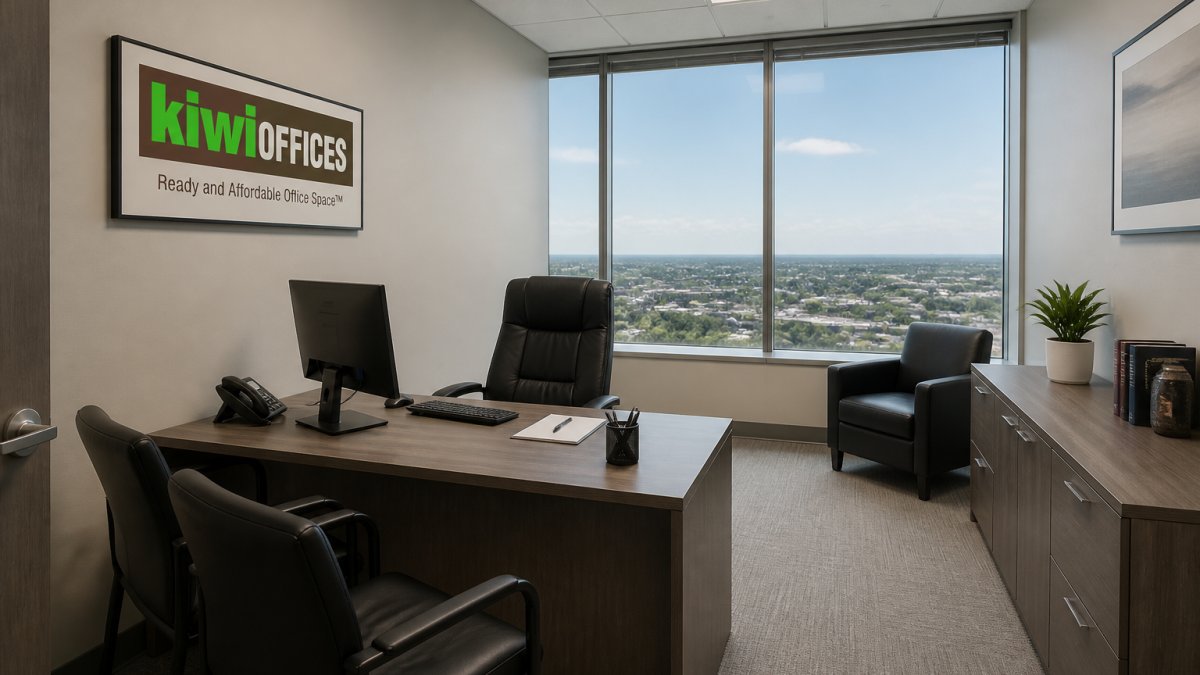
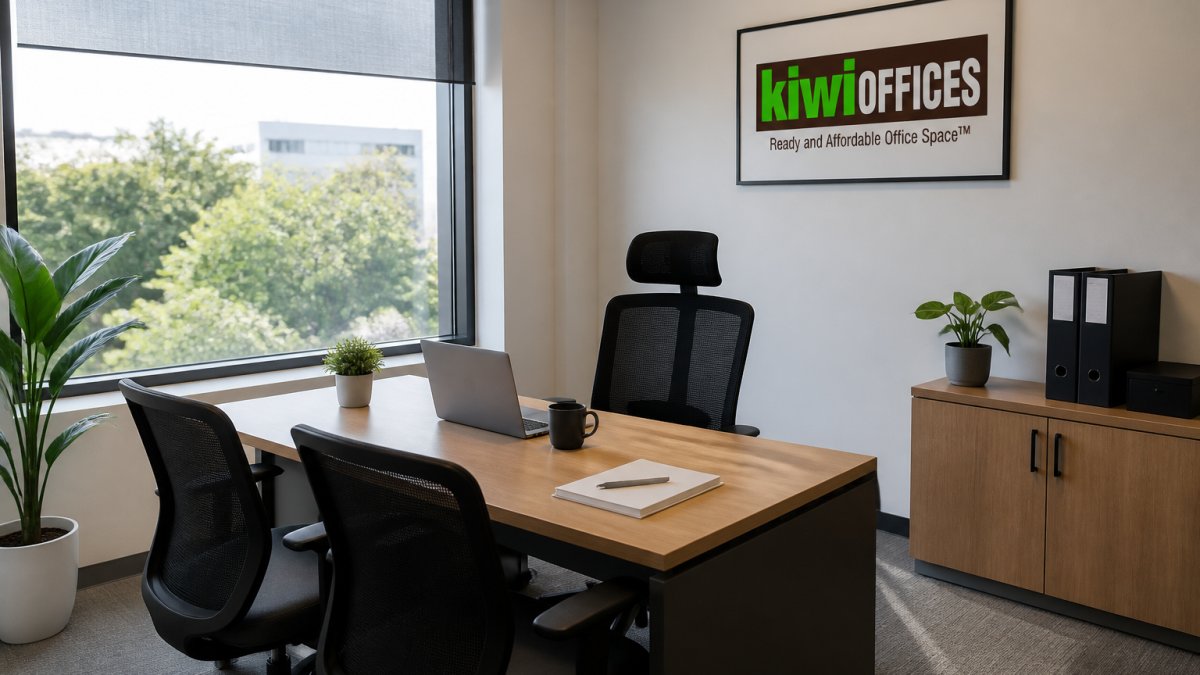
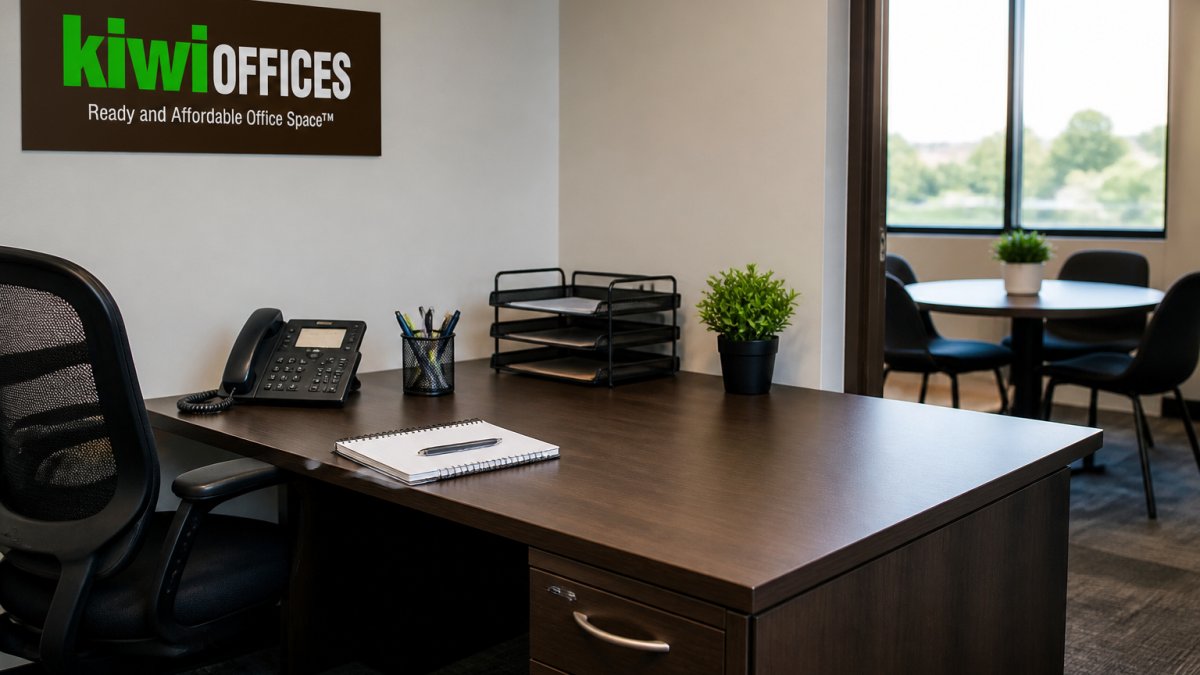
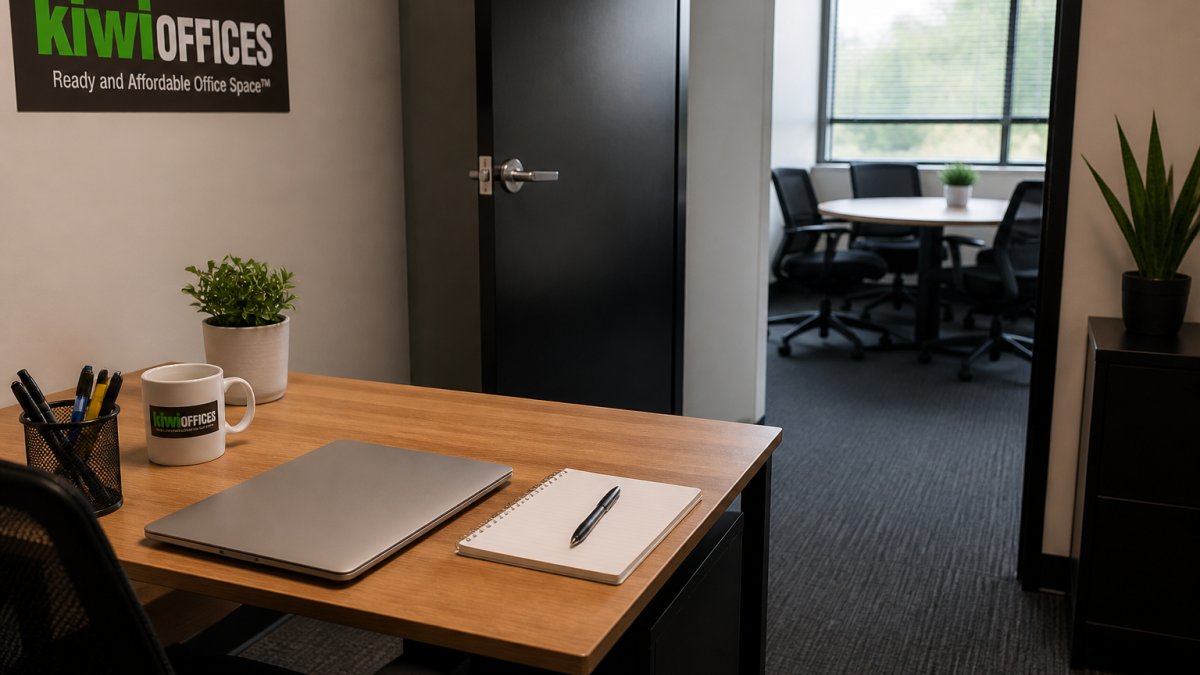
Kiwi Offices provides turnkey furnished offices built as private individual business suites, not a desk in a coworking room.
That distinction matters: a private suite gives you a door for client calls, a fixed business address, and a workspace your team can leave papers on overnight.
What works: move-in-ready furnished space, full privacy, no shared-room distractions.
What to check: confirm the exact term length and what is bundled before you commit. We quote each suite individually.
2. WeWork: Best for Month-to-Month Commitments
The trade-off is predictability: pricing is quote-based, and the supplied provider information does not detail office features or amenities, so ask specific questions during a tour.
Ask on the tour: the shortest term available at that building, the notice period to cancel, whether the quoted rate includes internet and cleaning, and whether a deposit or service retainer is required.
3. Servcorp: Best for Temporary Office Space
Servcorp is a temporary office-space provider offering flexible payment terms, worth a look if you need a professional address and a serviced office for a defined stretch.
Ask on the tour: whether the agreement can be ended early and on what notice, what reception and phone-answering services are included versus billed per use, and whether the address can be used on your business filings and marketing.
4. Office Evolution: Best for Hot Desk and Private Office Mix
Office Evolution offers flex office space with both hot desks and private offices. The supplied result gives hot desks at $300 to $500 per month, with private offices from $500 to several thousand dollars depending on size and location, useful context when budgeting.
Ask on the tour: whether the hot-desk rate includes a set number of meeting-room hours, whether private-office pricing changes by office size within the same building, and what the minimum commitment is at that location.
5. Serendipity Labs: Best for Cost Comparison Tools
Serendipity Labs provides an office calculator that compares traditional office costs against flexible workspace costs based on your inputs. It is an estimate, not a lease quote, but a useful first step before touring.
How to use it well: enter your real headcount and monthly meeting-room hours, then compare the output against an all-in quote from two providers.
6. The Cannon: Best for Adaptable Layouts
The Cannon describes coworking environments with shared offices, private offices, and adaptable layouts, useful if your team shape changes often. Pricing and contract lengths are not specified in the supplied information.
Ask on the tour: whether you can move from a shared office to a private one mid-term without a new agreement, and whether the rate changes when you do.
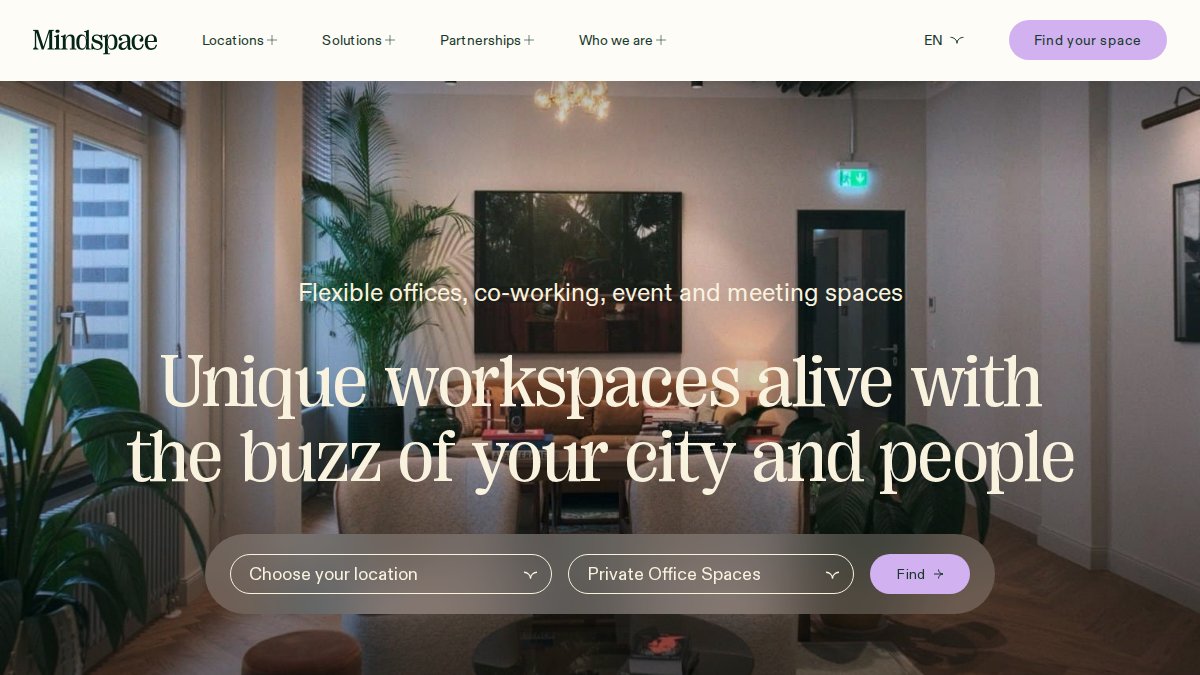
7. Mindspace: Best for Coworking and Private Office Blend
Mindspace's guide compares coworking, private offices, and traditional leases side by side, helpful if you are still deciding which format fits. The supplied information does not list prices or contract lengths.
Ask on the tour: which format the building actually offers (some locations are coworking-only), the shortest term, and whether private offices are priced per desk or per suite.
Short-Term Office Lease: What to Know Before You Sign
A short-term office lease covers a shorter duration than a standard commercial lease, often month to month or a few months at a time. Read it the same way you would a long lease, the obligations do not disappear just because the term is short.
Five clauses decide whether the flexibility is real:
- Term and renewal: exact start date, end date, and whether renewal is automatic
- Notice period: how many days' notice you must give to leave
- Early termination: the fee, if any, for exiting before the end date
Office Space Rental Costs: A Full Breakdown
Office space rental costs go well beyond the advertised monthly figure. The number on the website is usually base rent, and the real monthly cost adds several line items on top. Here is how to build an all-in number you can compare across providers.
Here is the full picture, based on the cost categories Hubble's guide to flexible office arrangements identifies as commonly bundled:
| Cost Item | Often Bundled in Flexible Terms | Often Extra in Traditional Leases |
|---|---|---|
| Furniture and fit-out | Yes | No, tenant pays |
| Internet and utilities | Yes | No, tenant pays |
| Cleaning and maintenance | Yes | Sometimes |
| Reception and business services | Usually | Rarely |
| Parking | Sometimes | Sometimes |
| Security deposit | Usually required | Usually required |
The line items the advertised rate hides
A flexible-workspace quote starts with a per-desk or per-suite base rate. The all-in figure adds some or all of the following, ask which apply before comparing providers, because a lower base rate with more add-ons is often the more expensive option.
- Security deposit or service retainer: commonly one month's rent, sometimes refundable and sometimes applied to your final month. Confirm which.
- Setup or onboarding fee: some operators charge a one-time fee to activate an account or issue keys and access cards.
- Service or amenity fee: a per-person monthly charge covering reception, common areas, coffee, and printing, which may or may not be inside the quoted rate.
How to build an all-in monthly number
Use the same worksheet for every provider so the comparison is apples to apples:
- Start with the quoted base rate for your actual headcount and office size.
- Add the service or amenity fee per person.
- Add parking per stall.
- Add the amortized setup fee over your expected stay.
- Add estimated meeting-room overage at your real usage.
- Add sales tax if the quote is pre-tax.
- Note the deposit separately, it is cash out the door, even if refundable.
The result is the number to compare: a lower base rate plus service fee, parking, and tax can land well above a higher, all-inclusive rate.
What moves the price most
For a private office, expect the monthly figure to sit above hot-desk pricing, the supplied data puts hot desks at $300 to $500 per month and private offices from $500 upward. Four factors swing the number: office size and whether it is windowed, term length (longer commitments usually price lower per month), location, and how many included services you actually use.
Ask for an all-in monthly number in writing, itemized the same way, before you compare, that habit closes most of the gap between the advertised rate and what you actually pay.
Coworking vs. Private Office: Which Fits Your Team?
Coworking vs. private office comes down to one question: does your work require confidentiality and a door? Coworking gives you a desk in a shared room; a private office gives you a dedicated, enclosed space that is yours alone.
Choose coworking if you work solo, rarely take confidential calls, and want the lowest monthly cost. Choose a private office if you meet clients in person, handle sensitive information, or have a team that needs to talk freely without an audience.
Furnished Office Space: What's Included and What to Ask
Furnished office space comes with desks, chairs, storage, and typically internet and utilities already set up, so you can work the day you get the keys. Turnkey goes further: everything is ready before you arrive.
Ask these four questions on every tour:
- Which furniture is included, and can I swap pieces?
- Is internet dedicated or shared, and what speed is guaranteed?
- Are utilities, cleaning, and reception included in the quoted number?
- What is the notice period and the early-termination fee?
At Kiwi Offices, our suites are furnished and ready to use, which removes the weeks most businesses lose to ordering desks and waiting on installers.
How to Choose the Right Flexible Workspace
Choosing the right flexible workspace starts with three filters in order: team size, privacy need, and term length. Get those right and the shortlist writes itself.
- Team size: one to two people can use a small suite; three to eight need a larger private office
- Privacy need: client-facing and confidential work points to a private suite
- Term length: match the contract to your realistic growth timeline, not your best-case one
Conclusion
The hardest part of finding office space with flexible terms is not the search, it is comparing quotes that hide different costs behind different contract lengths.
At Kiwi Offices, we offer turnkey furnished offices built as private individual business suites, not coworking desks. You get a ready-to-use workspace, a professional setting, and the privacy a growing business needs.
Frequently Asked Questions
How much is office rent per month for flexible office space?
Flexible office space rental costs vary widely by provider, location, and workspace type. Hot desks typically range from $300 to $500 per month, while private offices can start around $500 and go up to several thousand dollars per month depending on size and amenities. Many providers bundle utilities, internet, and furniture into the monthly cost, but you should always confirm what is included. Request a detailed quote from each provider to compare total monthly costs accurately.
What does a short-term office lease typically include?
A short-term office lease often includes furnished workspace, utilities, high-speed internet, cleaning services, and access to shared amenities like meeting rooms and kitchens. Some providers also bundle IT support, mail handling, and professional reception services. Before signing, ask for a written list of inclusions and any extra fees for parking, printing, or additional services. The goal is to avoid surprise charges and understand your true monthly cost.
How long are flexible office lease terms?
Flexible office lease terms can range from month-to-month agreements to one-to-three-year commitments, depending on the provider and workspace type. Month-to-month terms offer the most flexibility for businesses that need to scale up or down quickly. Longer terms may come with lower monthly rates but lock you in. Always review the cancellation policy and notice period before committing, especially if your team size or business needs may change.
Are furnished offices more cost-effective than traditional leases?
Furnished offices can be more cost-effective for small businesses and startups because they eliminate upfront costs for furniture, setup, and long-term commitments. Traditional leases often require deposits, build-out expenses, and multi-year terms. With furnished office space, you get a move-in-ready environment with predictable monthly costs. However, the best choice depends on your team size, growth plans, and how long you intend to stay. Compare total costs over your expected timeframe before deciding.
What should I check before signing a short-term office lease?
Before signing a short-term office lease, confirm the notice period, cancellation policy, and any penalties for early termination. Ask what is included in the monthly rate and what costs extra, such as parking, printing, or meeting room hours. Check the workspace access hours, security, and whether you can expand to a larger suite if your team grows. Also verify the provider's reputation and ask for references from similar businesses. A clear contract and transparent pricing protect you from surprises.