 listicle
Private Office for Small Team: 7 Best Picks for 2026
Table of Contents
- Quick Comparison: Private Office for Small Team Providers
- How We Evaluated These Private Offices
- 1. Kiwi Offices: Turnkey Private Suites for Small Teams
- 2. Industrious: Premium Workspaces With Hospitality Focus
- 3. WeWork: Global Network With Flexible Private Offices
- 4. Lucid Private Offices: Privacy-First Workspace Design
- 5. Carr Workplaces: Class-A Buildings for Professional Teams
- 6. Servcorp: High-Level Administrative Support for Small Teams
- What to Check Before You Sign
- Frequently Asked Questions
Last Updated: October 8, 2026
Quick Comparison: Private Office for Small Team Providers
The best private office for a small team balances privacy, flexibility, and total cost, not just the headline rent. For teams of one to eight, a turnkey furnished suite removes the build-out risk that comes with a traditional commercial real estate lease.
Below, we'll show you exactly how each option differs on lease terms, amenities, and privacy so you can shortlist in minutes.
| Provider | Best For | Lease Flexibility | Standout Feature |
|---|---|---|---|
| Kiwi Offices | Small teams wanting turnkey suites | Flexible terms | Private individual business suites |
| Industrious | Premium hospitality seekers | Flexible terms | On-site community managers |
| WeWork | Multi-city teams | Month-to-month options | Global network |
| Lucid Private Offices | Privacy-first teams | Flexible terms | Dedicated private suites |
| Carr Workplaces | Prestigious addresses | Flexible terms | Class-A buildings |
| Servcorp | Admin-heavy teams | Flexible terms | Dedicated receptionists |
| Venture X | Privacy plus community | Flexible terms | Modern design |
How We Evaluated These Private Offices
We scored each provider on five criteria that matter most to small teams: lease flexibility, privacy and acoustic separation, included amenities, scalability as a team grows, and total cost of ownership. A private office is a lockable, dedicated workspace leased by a team, distinct from a shared coworking desk. According to U.S. Small Business Administration guidance on leasing commercial space, understanding lease obligations before signing protects small businesses from costly commitments.
Here is what each criterion actually measures, so you can apply the same lens to any provider, including ones not on this list.
Lease flexibility
We look at the shortest term offered, the notice period to exit, whether the rate is fixed or escalates, and whether an internal move resets the term. Month-to-month and 12-month terms score higher than multi-year commitments for teams whose headcount is still moving.
Privacy and acoustic separation
We check whether suites are demised to the ceiling deck or stop at the drop ceiling, whether doors lock, whether reception can see or hear into the suite, and whether the building enforces quiet-zone rules. This is the criterion most small teams underweight on a tour and regret later.
Included amenities
We separate what is genuinely included from what is billed as an add-on. Utilities, Wi-Fi, cleaning, coffee, printing, and a set number of meeting room hours are the baseline; parking, reception, and call answering are frequently extra. We score on the all-in number, not the headline rate.
Scalability
We ask what happens when the team doubles. Providers that offer adjacent suites, a right-of-first-refusal, and a defined expansion path without resetting the lease score higher than those that require a new agreement or a move to a different building.
Total cost of ownership
We convert every quote to a single all-in monthly figure using the same inputs: base rent, utility and after-hours HVAC surcharges, internet and IT fees, cleaning, parking, meeting room overages, and one-time setup costs.
Scalability planning is where most teams stumble. A suite that fits four people today may not fit eight in a year, so we weighted expansion options heavily.
1. Kiwi Offices: Turnkey Private Suites for Small Teams
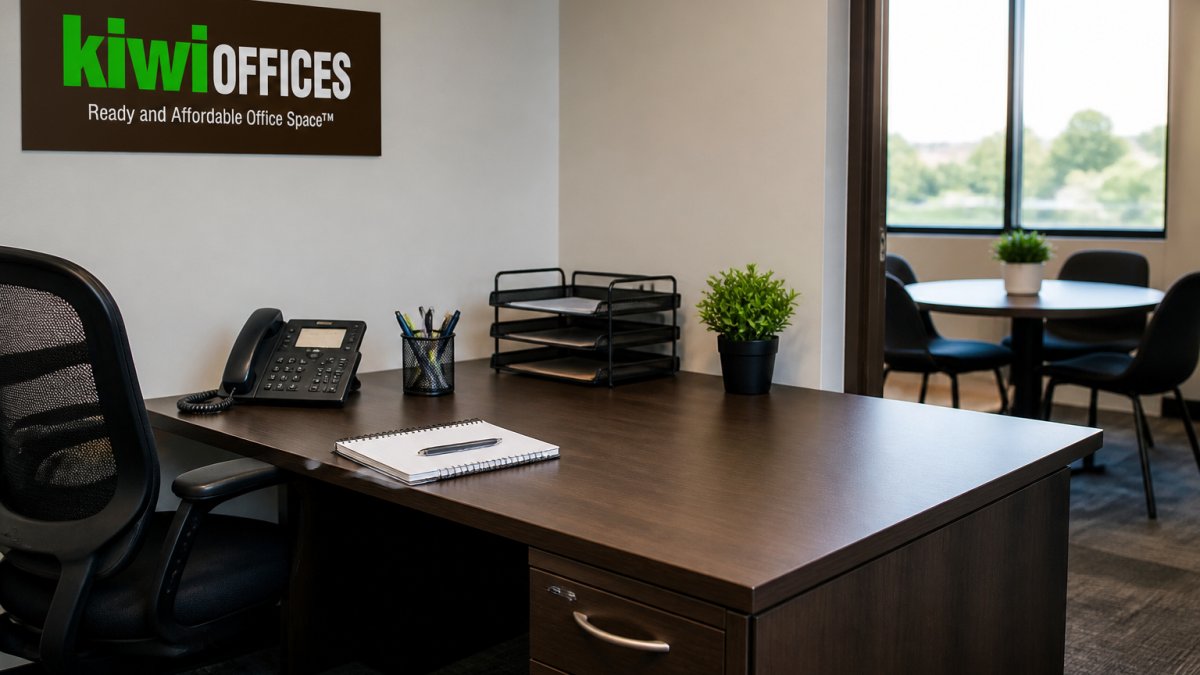
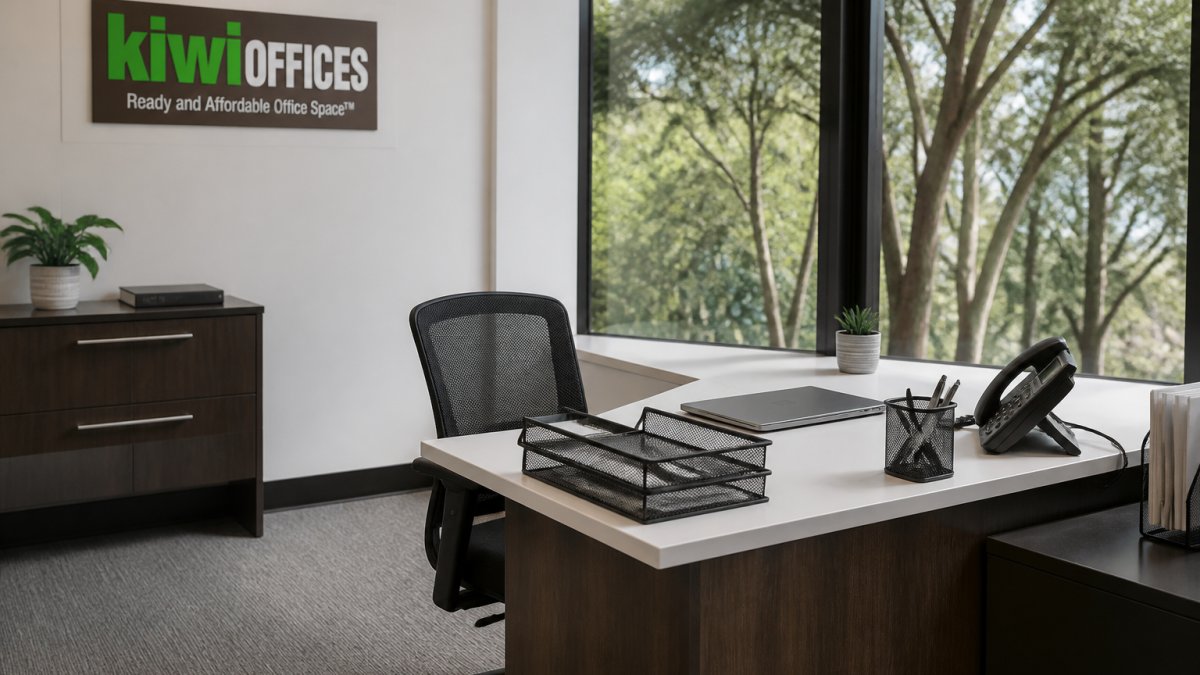
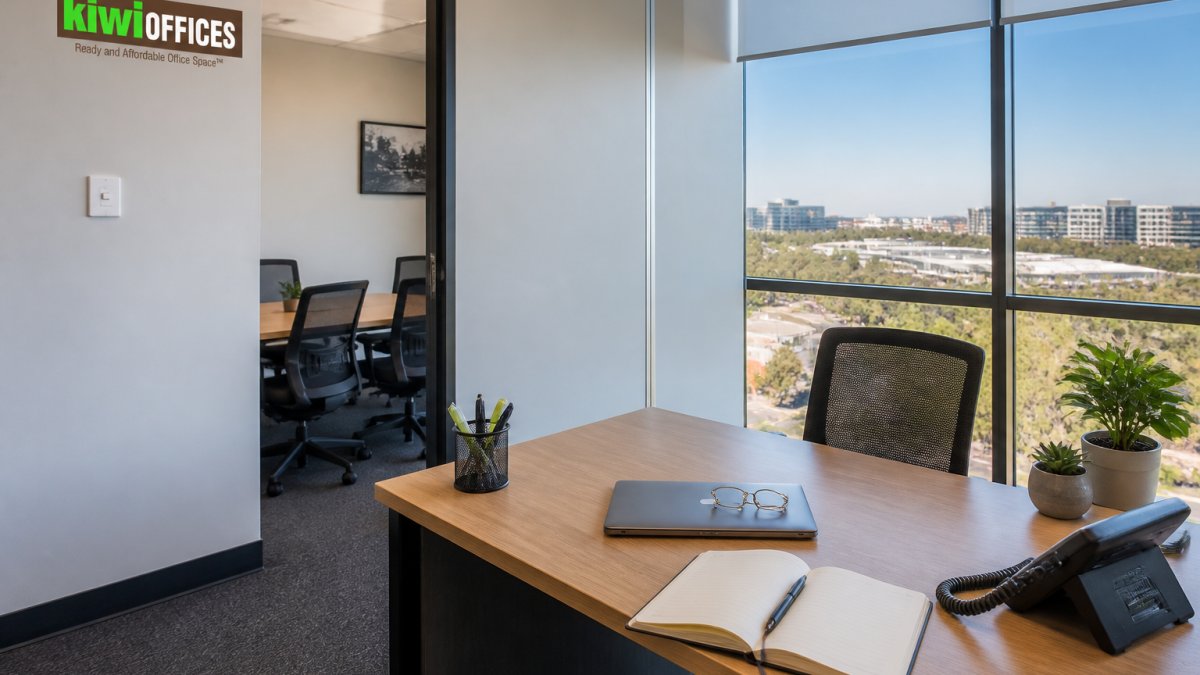
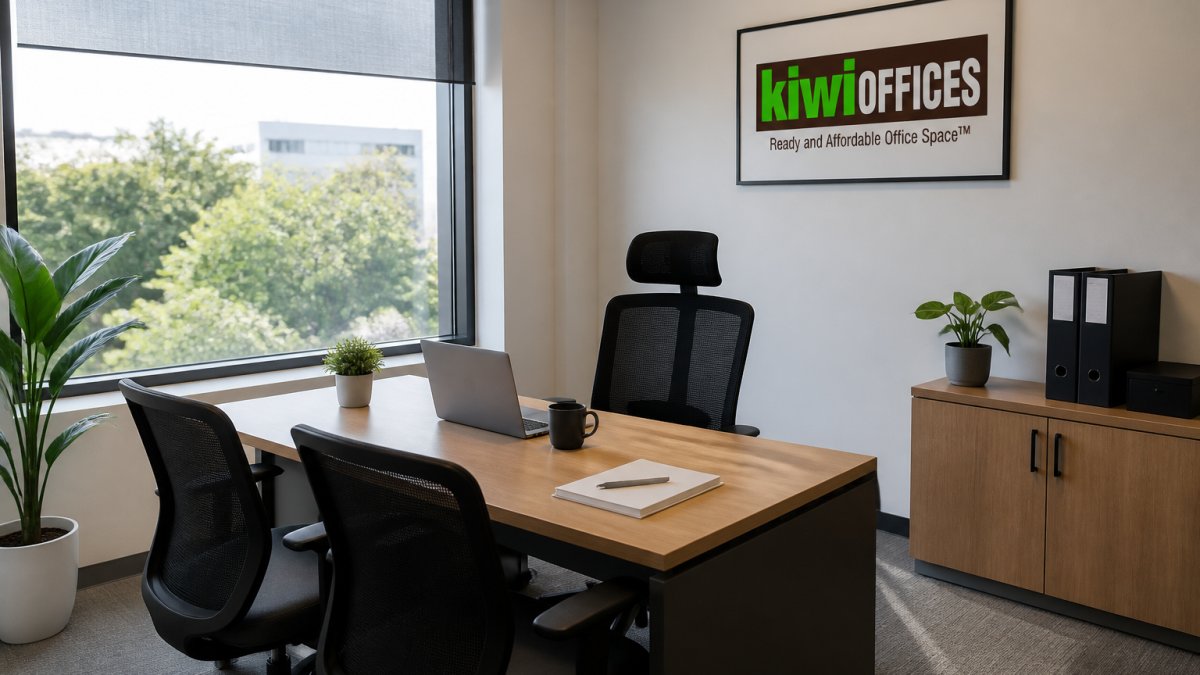
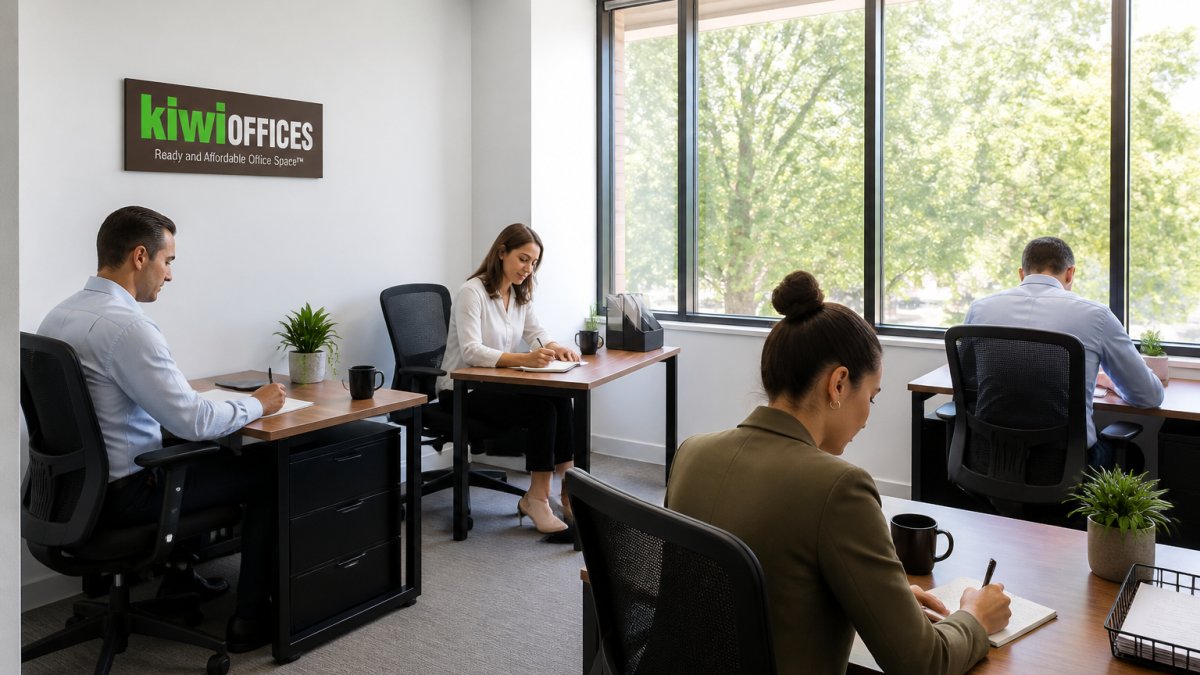
Kiwi Offices delivers what a small team needs without the coworking distractions. These are private, individual business suites, not shared desks, so your team gets a dedicated, furnished environment ready to use on day one.
What Makes Kiwi Offices Different
The core difference is independence. Where coworking rents you a seat in a shared room, Kiwi Offices provides a self-contained suite for your business alone.
- Turnkey furnished offices, so there's no furniture budget or setup delay
- Private individual business suites for teams of one to eight
- Not co-working or shared space, which means real privacy
For contractors and consultants who meet clients regularly, a dedicated office changes how the business runs. You stop booking coffee shops and start hosting meetings in a space that reflects your work.
2. Industrious: Premium Workspaces With Hospitality Focus
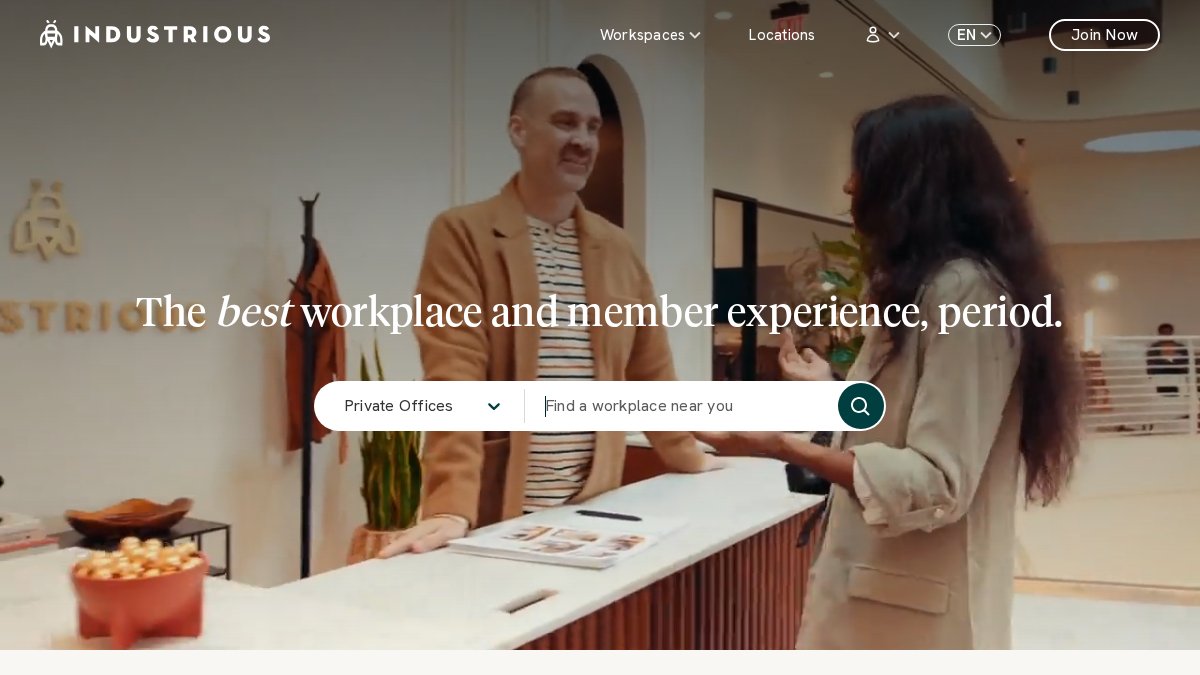
Industrious targets teams that want a polished, hotel-like experience. Its private office suites come fully furnished, with all-inclusive pricing that covers utilities, Wi-Fi, and cleaning. The hospitality staff and community managers are the real draw.
The trade-off is cost. This is a premium provider, and the price reflects it. For teams that host clients often and care about presentation, the spend can be justified.
3. WeWork: Global Network With Flexible Private Offices
WeWork offers lockable private offices for teams of any size, backed by a global footprint. If your team spans multiple cities or you travel for work, the network access is genuinely useful.
The catch is consistency. Amenity quality varies by building, so a great experience in one location doesn't guarantee the same in another. Tour the specific space you'll actually use.
4. Lucid Private Offices: Privacy-First Workspace Design
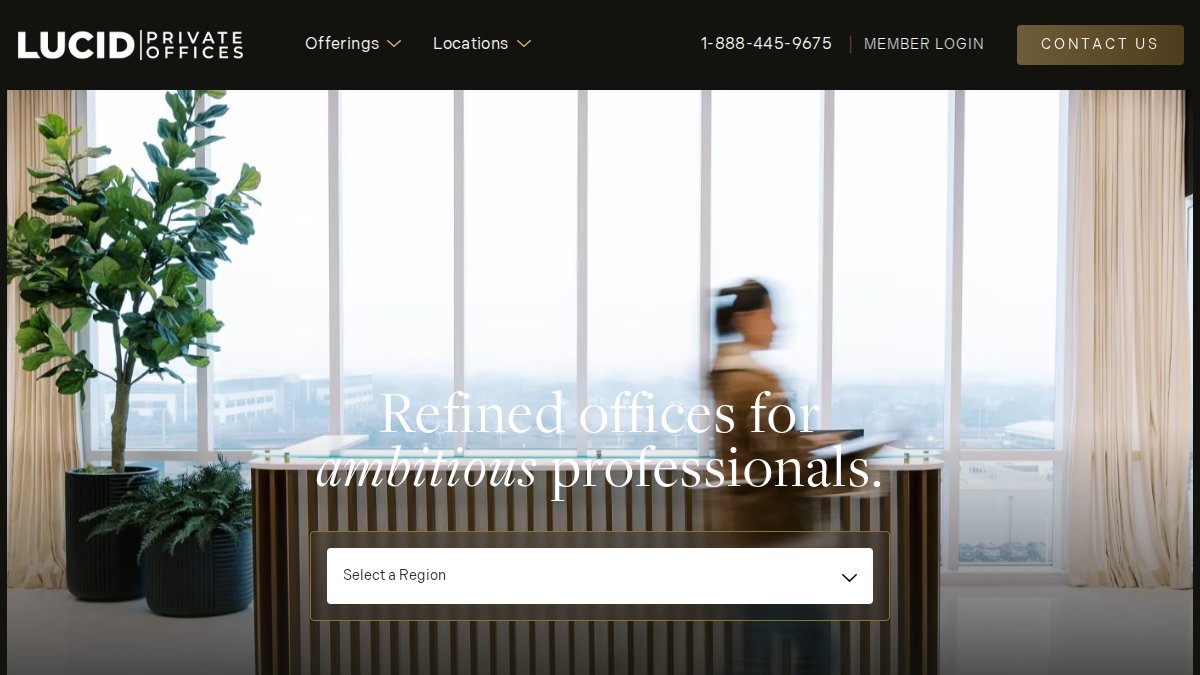
Lucid builds around private offices rather than open coworking, which shows in the layout. You get dedicated, lockable suites, professional reception, and enterprise-grade security. Conference rooms are fully equipped for client presentations.
What most guides miss is the social trade-off. Teams that want networking events and a buzzing community will find Lucid quiet. If focus and confidentiality matter more than mingling, that quiet is the point.
5. Carr Workplaces: Class-A Buildings for Professional Teams
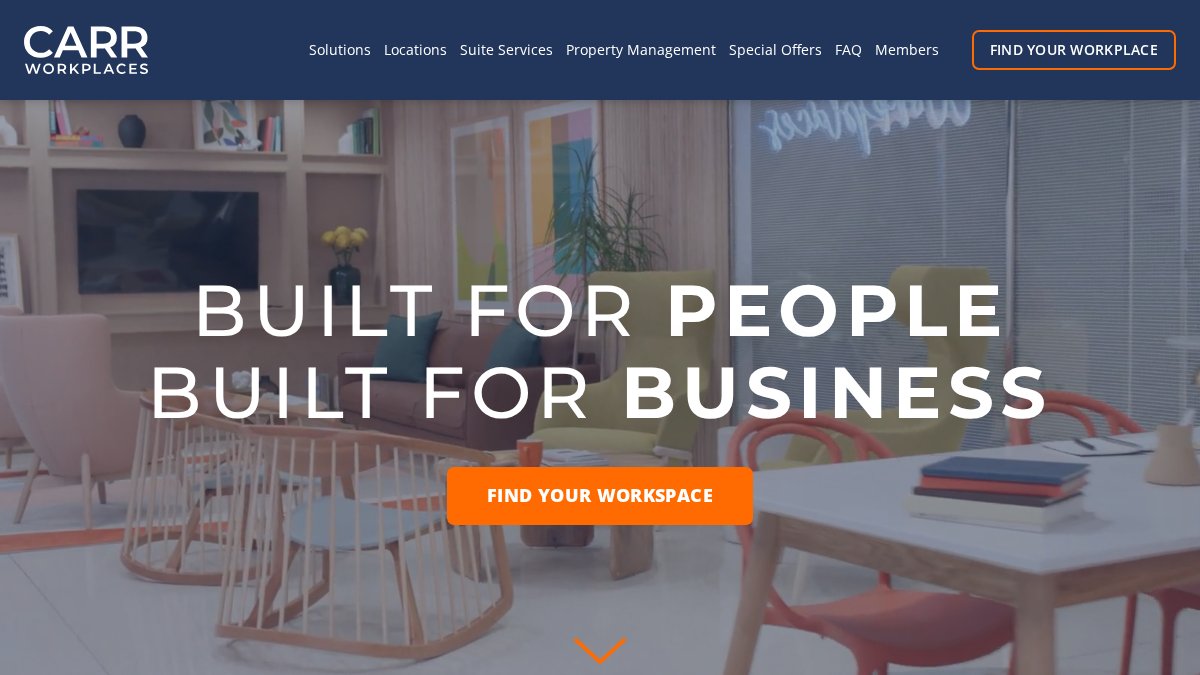
Carr Workplaces leases private offices inside premium, Class-A buildings, aimed at firms that need a prestigious address. Layouts are customizable for small teams, and on-site hospitality and admin support are part of the package.
The premium location strategy drives premium pricing. For a professional services firm where the address wins clients, that's a reasonable investment. For a back-office team, you're paying for prestige you may not need.
6. Servcorp: High-Level Administrative Support for Small Teams
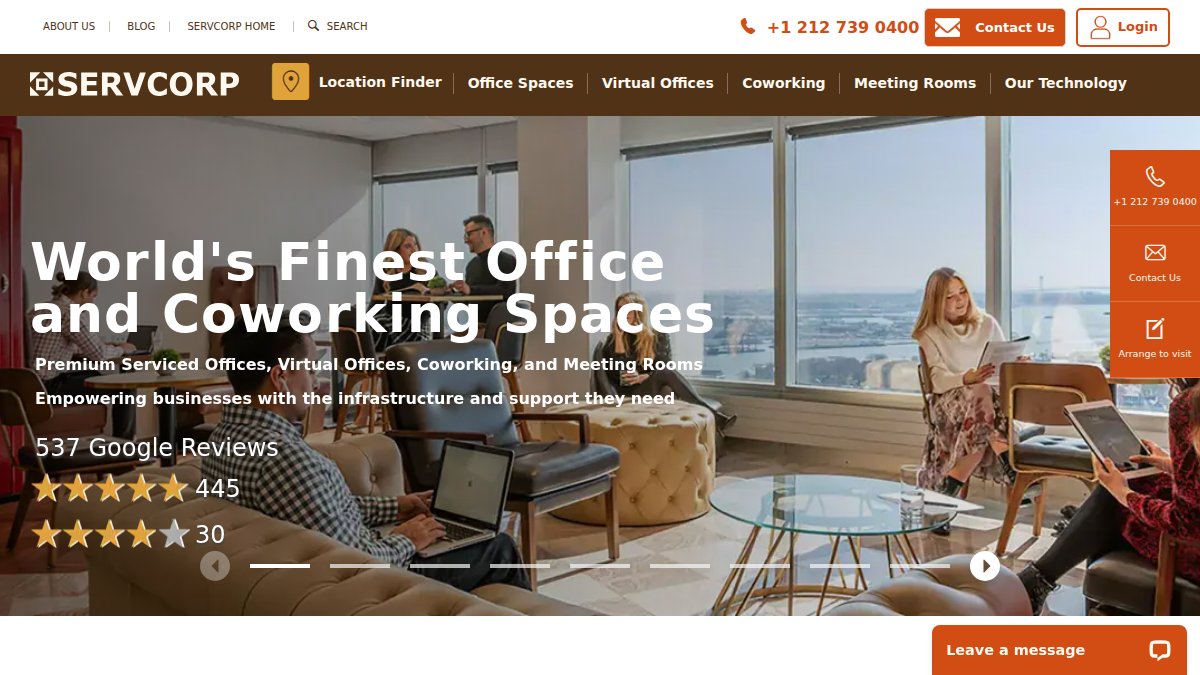
Servcorp pairs serviced private offices with dedicated receptionists and advanced IT infrastructure. If your team needs secretarial and administrative support baked in, this is one of the few providers that treats it as core rather than an add-on.
That service depth comes at a higher cost structure. Teams that rarely use reception or admin help are effectively subsidizing services they don't touch. Match the package to your actual workload.
What to Check Before You Sign
The right private office for a small team comes down to three numbers: current headcount, realistic growth over 12 months, and your all-in monthly budget. Total cost of ownership beats headline rent every time, because utilities, parking, and meeting room credits add up fast. As noted in U.S. General Services Administration guidance on workspace planning, matching space to actual occupancy avoids paying for square footage you never use.
Build the real monthly number, not the quoted one
Most providers advertise a per-desk or per-suite rate that excludes the line items that decide your budget. Before you compare two quotes, convert both to a single all-in monthly figure using the same inputs:
- Base suite or per-desk rent
- Utility and after-hours HVAC surcharges (often billed separately from base rent)
- Internet and phone provisioning, plus any per-device or per-seat IT fee
A common pattern is a headline rate that looks 15 to 25 percent lower than a competitor until you add the surcharges, at which point the ranking flips. Ask each provider to put the all-in number in writing on the proposal, not just the base rate.
Plan for growth without breaking the lease
Scalability is where small teams get trapped. A suite that fits four today may not fit eight in a year, and moving mid-lease can trigger penalties or force you to sublet. Ask these questions on the tour:
- What is the smallest and largest suite I can move into within this building, and is there a waitlist?
- Is there a right-of-first-refusal on adjacent suites as they open up?
- Does an internal move reset my lease term or my rate?
Getting the expansion path in writing, not just a verbal "we can usually work something out", is what separates a genuinely flexible landlord from one that only markets flexibility.
Judge acoustics and privacy before you sign
Small teams often leave a tour without testing the thing that will annoy them daily: noise. Shared buildings vary widely in how well suites are separated from common areas, elevators, and neighboring tenants.
- Tour at peak hours, not mid-morning on a quiet day, and stand inside the suite with the door closed.
- Ask whether walls are demised to the ceiling deck or stop at the drop ceiling, the difference determines how much sound travels between suites.
- Ask about quiet-zone policies, phone-booth availability, and whether the building enforces noise rules in shared corridors.
If your team takes confidential calls or meets clients, treat acoustic separation as a pass/fail criterion, not a nice-to-have.
Negotiate the terms that actually move
Rent is rarely the only lever. Providers with soft occupancy in a given building have more room than their published rate card suggests. Common asks that get granted, especially on longer terms or off-peak move-in dates:
- One or more months of free or reduced rent on a 12-month-plus term
- A furniture customization or swap allowance before move-in
- Extra included meeting room hours, or a waived overage rate for the first quarter
Bring a written list of asks to the tour and get responses in writing. Verbal concessions are hard to enforce later.
Run this quick checklist before committing:
- Confirm what's included: utilities, Wi-Fi, cleaning, and parking
- Ask about meeting room credits and overage fees
- Get the all-in monthly number in writing, not just the base rate
Frequently Asked Questions
What size private office does a small team need?
A team of 5 typically needs 100 to 150 square feet of private office space, depending on layout and whether you need a meeting area. For teams of 1-8, aim for 20-30 square feet per person. Consider growth: if you plan to add 2-3 people within a year, choose a suite that can accommodate them. Many providers offer scalable options, so you can expand without moving.
How much does a private office for a small team cost?
Pricing depends on location, team size, lease term, and included amenities. Providers offer all-inclusive pricing that covers utilities, Wi-Fi, and cleaning. Costs vary widely by market, so request a quote from each provider. Factor in total cost of ownership: a higher monthly rate with utilities included may beat a lower rate with hidden fees for parking or printing.
Is a private office better than coworking for a small team?
It depends on your priorities. Coworking offers flexibility and community, but private offices provide confidentiality, fewer distractions, and a dedicated space for your team. For teams that meet clients, handle sensitive information, or need quiet focus, a private office is often better. Coworking can work for solo professionals or teams that rarely need privacy. Many providers offer both options, so you can test which fits.
What amenities should a small-team office include?
Look for high-speed internet, meeting room access, printing and scanning, a professional reception area, and 24/7 security. Ergonomic furniture and breakout areas support productivity. For client-facing teams, a business address and reception services add credibility. Check if utilities and cleaning are included to avoid surprise costs. Amenities like on-site staff and commuter-friendly locations improve daily operations.
How can a small business choose the right office lease?
Start by defining your must-haves: team size, location, budget, and lease flexibility. Compare short-term and long-term lease options, and ask about cancellation policies and hidden fees. Negotiate terms like rent escalation, included services, and expansion rights. Review the total cost of ownership, not just monthly rent. A flexible office lease with a 3-6 month term can reduce risk for startups.
Finding the right private office for a small team shouldn't mean months of lease negotiation or a furniture build-out. Kiwi Offices provides turnkey furnished suites designed specifically for small businesses, with private individual business suites and a ready-to-use environment that puts privacy and productivity first. If you want a professional workspace without the coworking compromises, book a tour with Kiwi Offices and see how quickly your team can settle in.