 listicle
9 Signs You Need a Professional Office Space in 2026
Table of Contents
- Why Your Home Office May Be Holding Your Business Back
- 1. Client-Facing Space Has Become a Liability
- 2. Productivity and Focus Are Declining
- 3. Clutter and Document Management Are Out of Control
- 4. Confidentiality and Privacy Are at Risk
- 5. Technology and Infrastructure Are Falling Short
- 6. You've Outgrown Your Current Square Footage
- 7. Employee Morale, Retention, and Workplace Culture Are Slipping
- The Benefits of a Private Office vs Coworking
- When to Make the Move
- Frequently Asked Questions
Last Updated: October 1, 2026
Why Your Home Office May Be Holding Your Business Back
The spare bedroom that worked in year one often becomes a liability by year three. This guide walks through the clearest signs you need professional office space, from client-facing embarrassment to infrastructure that cannot keep up.
The problem is rarely the desk. It is what the desk represents: a home address on a contract, a dog barking during a client call, a kitchen table covered in tax documents. Each chips away at how clients and partners perceive your business.
Below, we break down each warning sign, what it costs you, and when moving to a dedicated workspace becomes an operational necessity.
1. Client-Facing Space Has Become a Liability
Meeting clients at coffee shops feels scrappy at first, until you compete against firms hosting prospects in a proper conference room.
A professional office is a dedicated commercial space where clients are received and your brand is presented without apology. At a shared café table, you lose control of noise and privacy, signal that your operation is small, and spend the first ten minutes managing logistics instead of building trust.
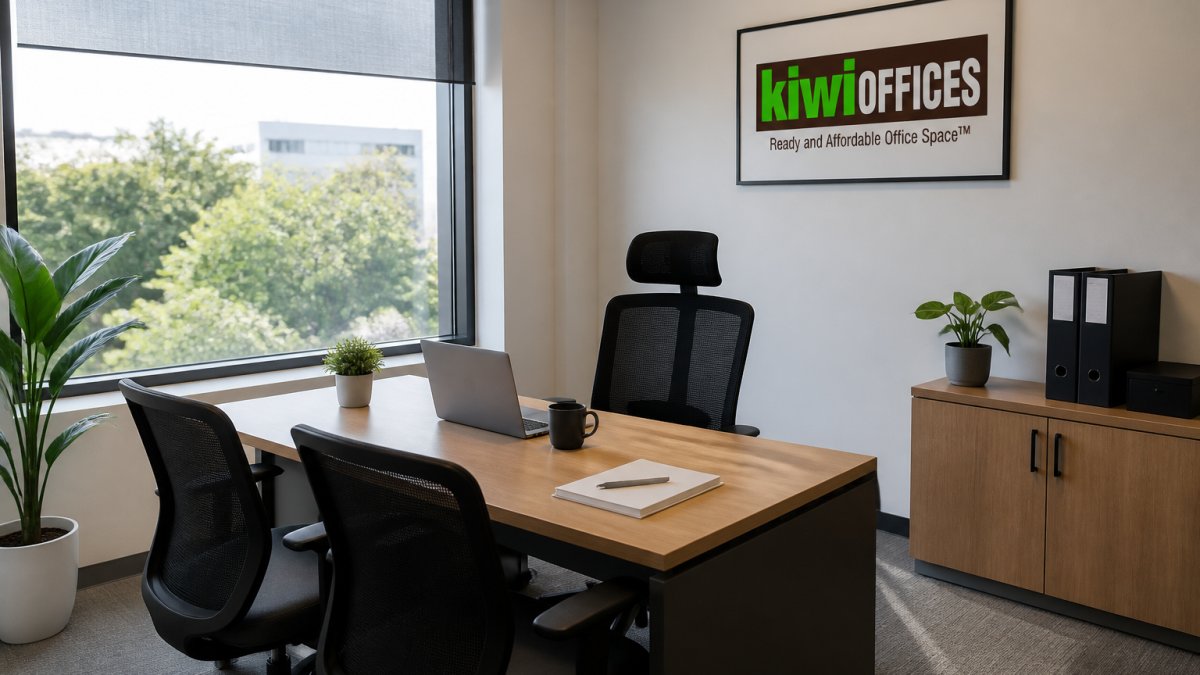
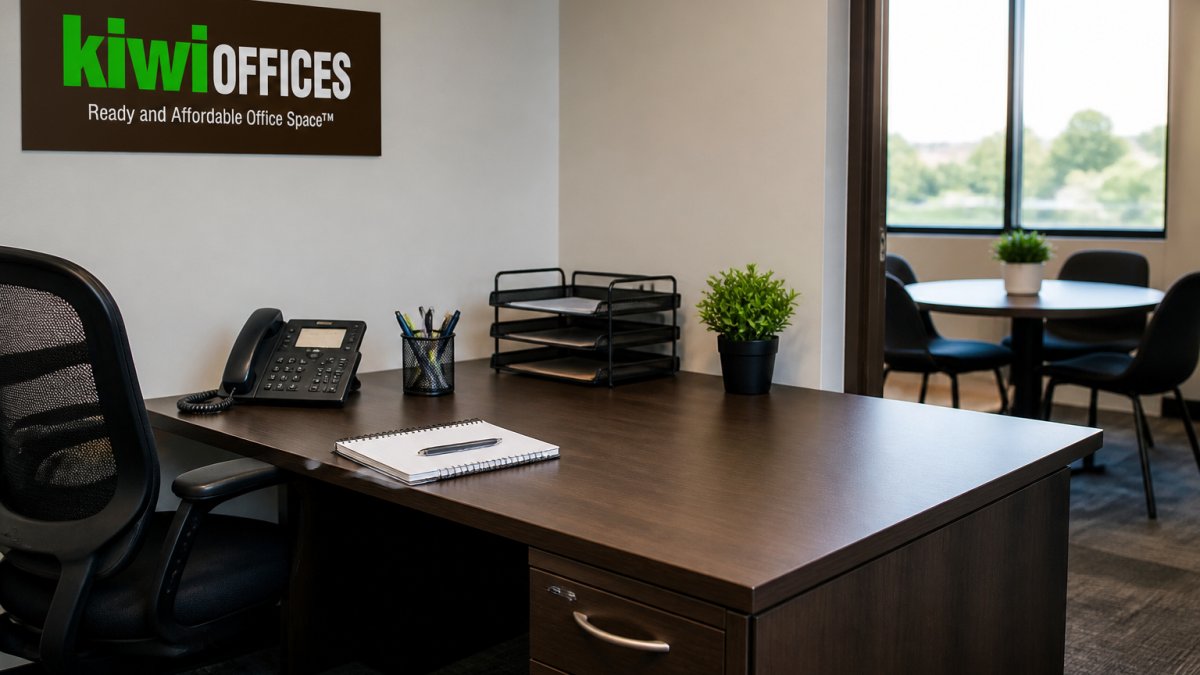
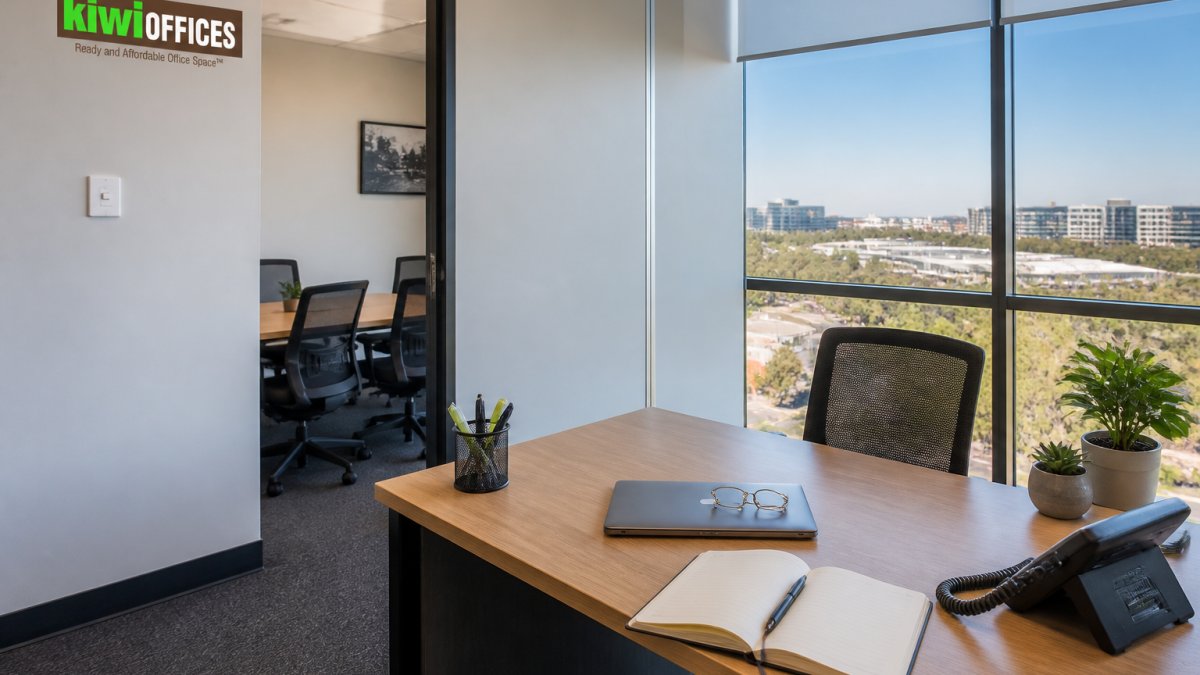
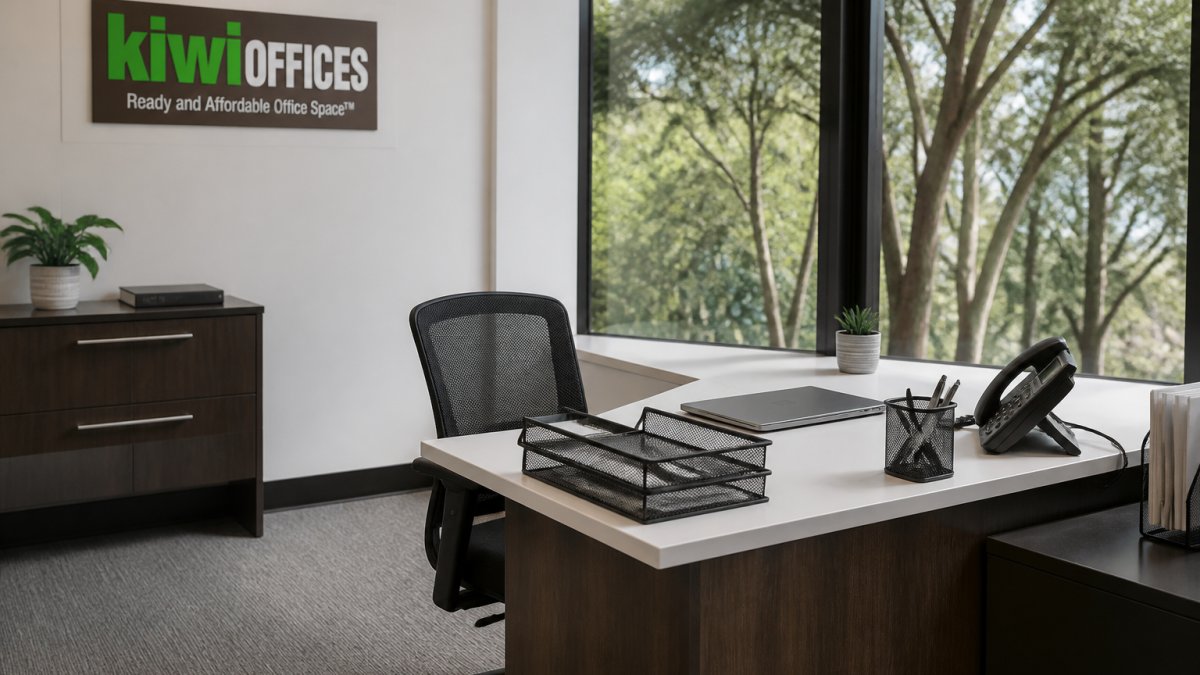
A turnkey private suite gives you a reserved meeting area with a door that closes.
2. Productivity and Focus Are Declining
The clearest sign you need professional office space is a workday that keeps fracturing. Laundry, deliveries, family interruptions, and the fridge all compete for attention when your desk sits ten feet from your living space.
The boundary between work and home erodes quietly: you answer emails at 9 p.m. because the laptop never left the room, take a "quick break" that eats an afternoon, and squeeze billable deep work into whatever gaps remain.
A dedicated space restores the separation. You commute, you work, you leave. That ritual sounds trivial until you feel the difference in a focused week.
3. Clutter and Document Management Are Out of Control
Contracts, invoices, permit applications, and client files accumulate until the dining table becomes a filing cabinet.
When you cannot find a signed agreement in under two minutes, you lose time and credibility. When sensitive paperwork sits in an open living area, you create real exposure.
A private office gives you locked storage, a defined filing system, and separation that keeps client records out of family space.
4. Confidentiality and Privacy Are at Risk
Every business handles information that should not be overheard. Client names, pricing, legal matters, personnel discussions. At home, walls are thin and family members are nearby.
5. Technology and Infrastructure Are Falling Short
Residential internet was never designed for business continuity. When your connection drops mid-presentation, you have no backup, no IT support, and no one to call.
6. You've Outgrown Your Current Square Footage
Growth shows up as a space problem before a revenue problem. You hire a second person and there is nowhere for them to sit; add a third and the kitchen table becomes a desk again.
| Team Size | Home Setup | Private Suite |
|---|---|---|
| 1 person | Workable, with limits | Comfortable, client-ready |
| 2-4 people | Cramped, no privacy | Fits with dedicated desks |
| 5-8 people | Not viable | Expandable within the building |
| Client meetings | Awkward, off-site | On-site, professional |
7. Employee Morale, Retention, and Workplace Culture Are Slipping
A real office changes how a team feels about the work, building culture in ways video calls cannot replicate.
The Benefits of a Private Office vs Coworking
Coworking solves one problem: you need a desk outside the house. It does not solve privacy, client-facing professionalism, or team identity, so price out what each option actually costs per year.
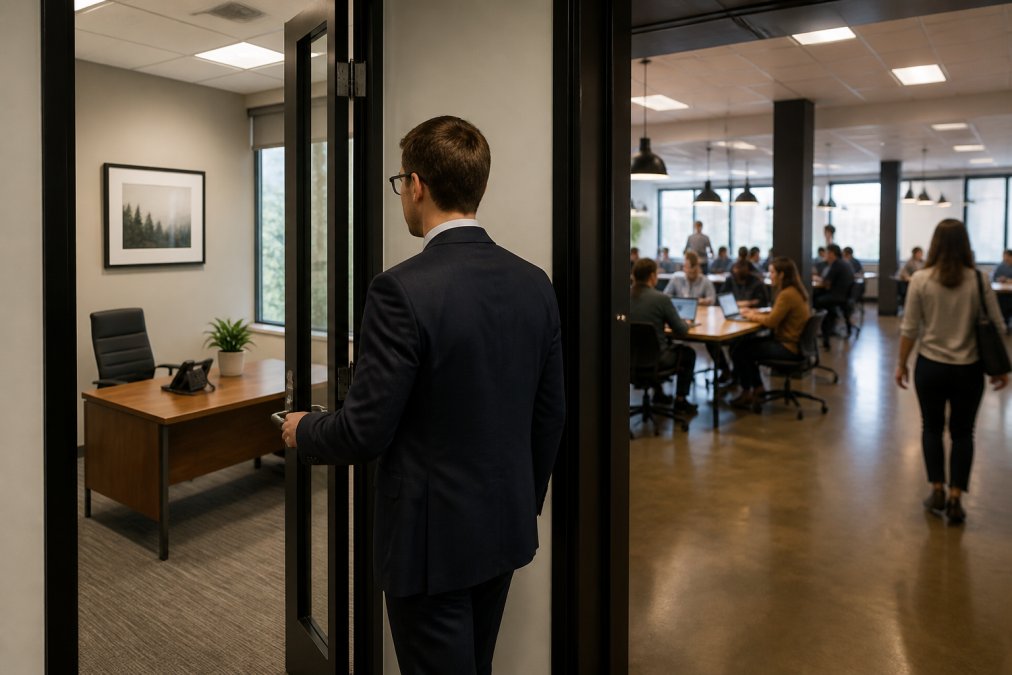
Then compare three options side by side:
| Factor | Home office | Coworking | Private suite |
|---|---|---|---|
| Client meetings | Off-site, uncontrolled | Shared rooms, booked by the hour | On-site, reserved, door closes |
| Confidential calls | Overheard at home | Open floor, no privacy | Enclosed, controlled |
| Team identity | None | Hot desks, no home base | Named space, consistent |
| Cost structure | Rent share + utilities | Per-person monthly fee | Monthly rent, term-based |
| Upfront capital | Low | Low | Low if turnkey, high if traditional |
| Scalability | Capped by the house | Add seats as needed | Expand within the building |
When to Make the Move
- Lease expiration window. If you are on a commercial lease, the decision point arrives well before the end date. Landlords typically want notice of renewal or non-renewal several months out, and starting a search inside that window leaves you negotiating from weakness. Begin looking roughly six to nine months before your current term ends so you have leverage on both sides.
- Headcount math. Count the desks you need today and the desks you expect to need in twelve months. If the second number does not fit your current footprint without doubling up, you have already outgrown the space.
- Meeting frequency. Track how many client or prospect meetings you held last quarter and where they happened. If more than a handful were off-site or in public, your space is costing you credibility.
- Confidentiality exposure. If your work touches financial records, health information, legal strategy, or personnel matters, a shared wall or an open floor is a compliance concern, not just an inconvenience. This trigger alone can justify a move.
- Infrastructure failures. Count the times in the last quarter your home internet dropped during a call, your power flickered mid-presentation, or you had no backup. Recurring failures are a business-continuity problem.
- Hybrid reality. If part of your team is remote and part is local, your space needs have changed. You may not need a desk for every person, but you likely need more meeting rooms, more phone booths, and a reason for people to come in. A space with flexible meeting and focus areas fits a hybrid team better.
- Health and ergonomics. If your team is spending full days in kitchen chairs and on laptops, you are accumulating strain injuries and morale problems. A professional-grade environment with proper seating, lighting, and air quality is a health decision as much as a business one.
If you are unsure whether you are ready, start the search early. Beginning six to nine months before a lease ends gives you room to negotiate, compare turnkey suites against traditional leases, and avoid a rushed decision; three weeks before move-out gives you none of that.
Frequently Asked Questions
What are the benefits of moving from a home office to a private office?
A private office gives you a dedicated, professional setting that separates work from home life. You gain a consistent, client-ready meeting space, stronger confidentiality for sensitive documents, and fewer daily distractions. For small teams, it also supports workplace culture and retention. Many businesses find that a professional office improves their brand image and operational efficiency. If you are weighing the benefits of private office vs coworking, note that private suites offer more privacy and control than shared desks.
How do I know if my business is ready for a professional office space?
Look for signs like frequent client meetings in coffee shops, a home office that feels cramped, or team members struggling to focus. If you are turning down meetings because you lack a professional space, or if your current square footage cannot accommodate your team, it is time to consider a move. Also assess your budget and lease flexibility. A small office space for rent can provide the infrastructure and privacy you need without a long-term commitment.
What should I look for when transitioning to a professional office?
Prioritize location, lease terms, and included amenities. Check whether utilities, parking, and internet are covered, and confirm the cancellation policy. For teams, ensure the space can accommodate growth without a move. Ergonomic furniture and sanitation standards matter for employee health. If you need a turnkey solution, look for furnished suites that are ready to use. Always tour the space and ask about maintenance and facility management responsibilities.
How does a professional office address privacy and security concerns?
A private office provides a lockable space for confidential conversations and secure document storage. Unlike coworking, where others may overhear calls, a dedicated suite lets you control who enters. Many offices also offer secure Wi-Fi, keycard access, and separate meeting rooms. This is critical for legal, financial, and consulting professionals who handle sensitive client information. If confidentiality is a priority, a private office is a practical step to protect your business.
What is the cost of renting a small office?
The cost of renting a small office depends on location, size, lease terms, and included services. Always ask for a full breakdown to avoid hidden fees. For accurate pricing, contact providers directly and request a quote tailored to your needs.
Home offices have a ceiling, and most small businesses hit it long before they admit it. If several of these signs sound familiar, the fix is simpler than a long-term commercial lease. Kiwi Offices provides turnkey furnished suites with private individual business suites, ready-to-use workspaces, and the independence of a dedicated office that is not shared or co-working space. Book a tour and see what a real professional office does for your business.